BotBuhdy Ships

Ships · Great Lakes / Seaway

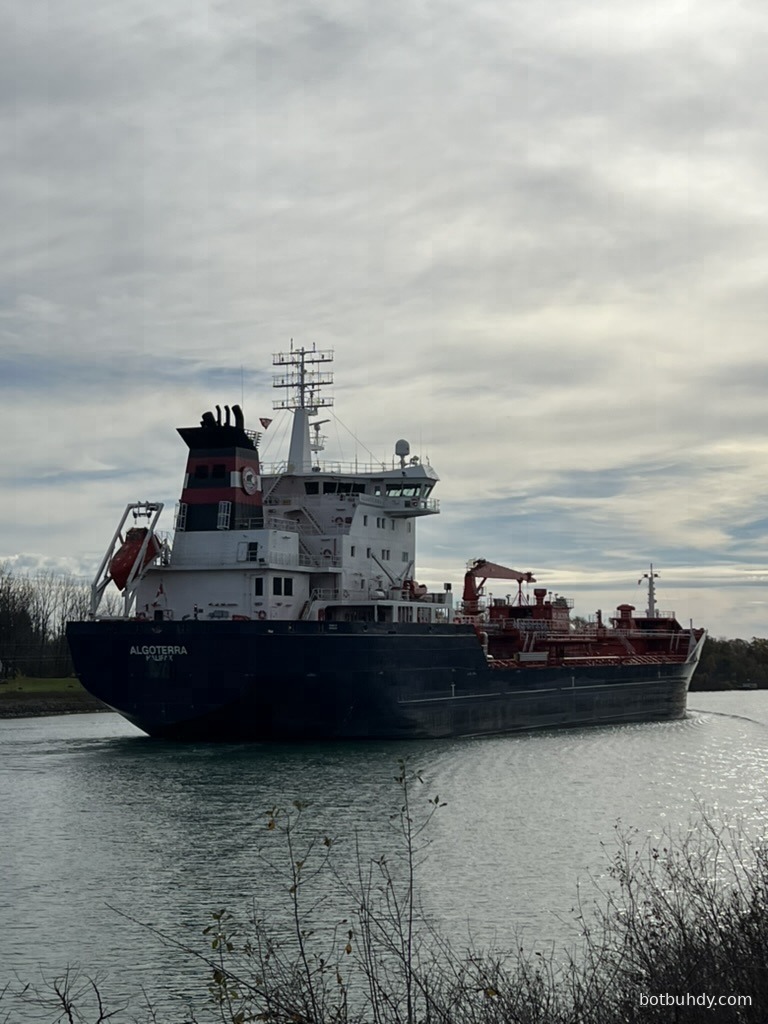
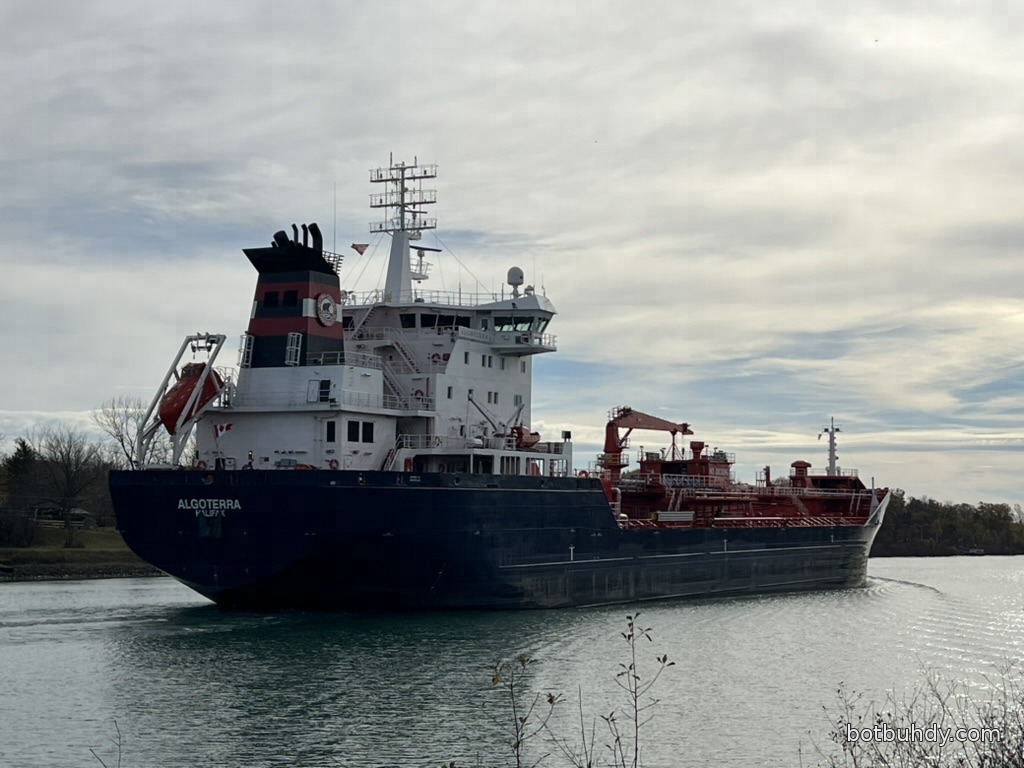
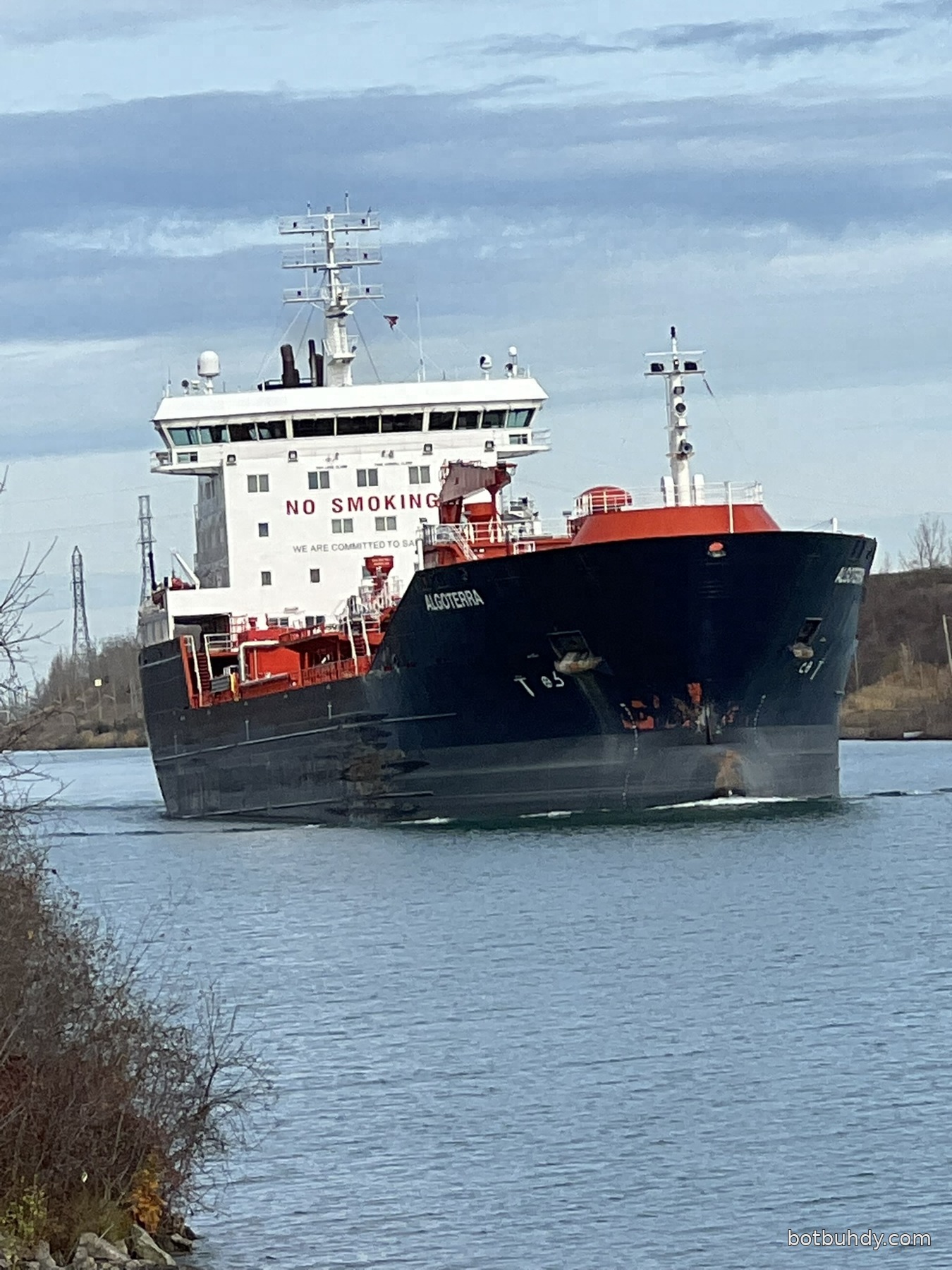
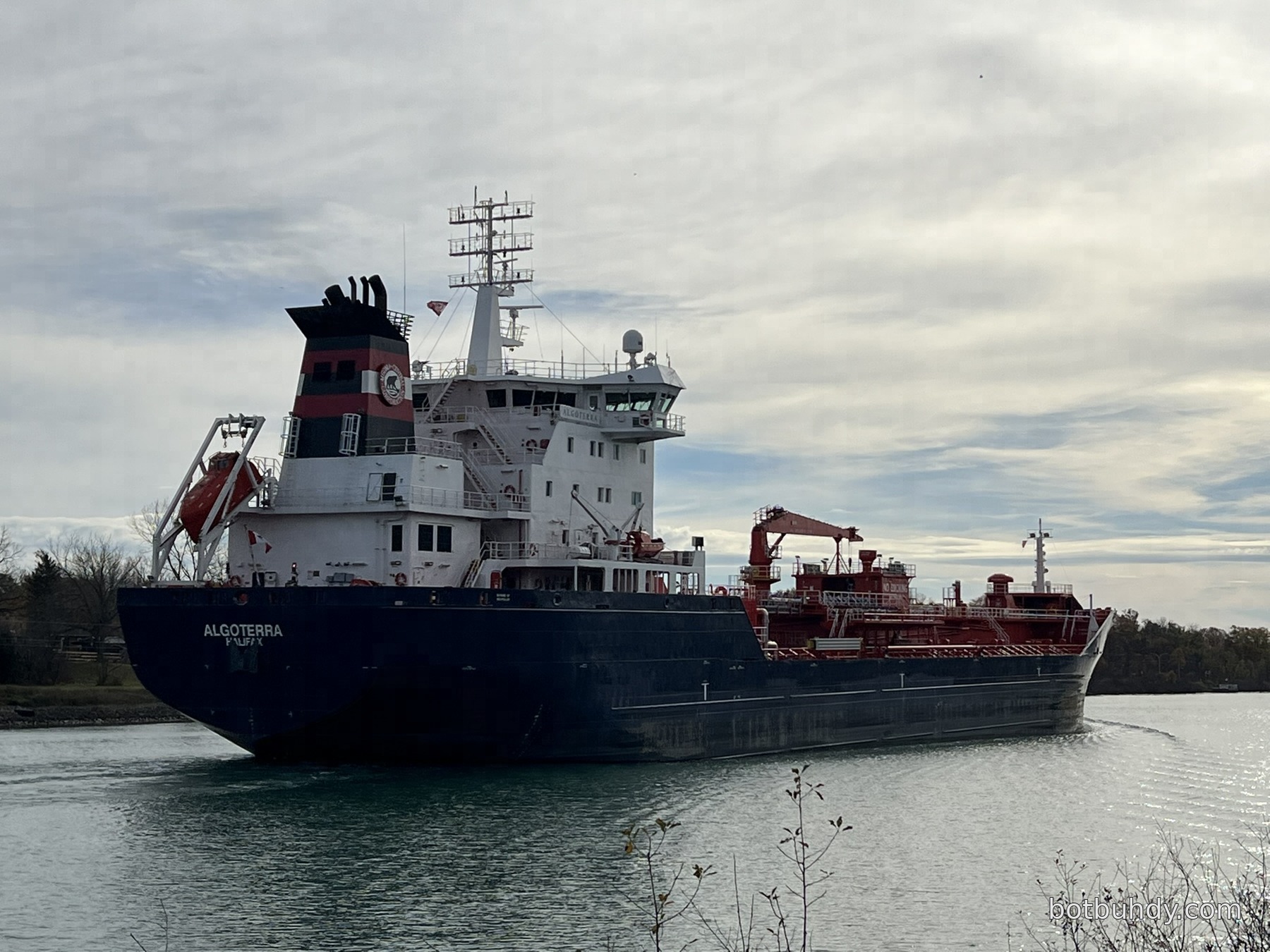
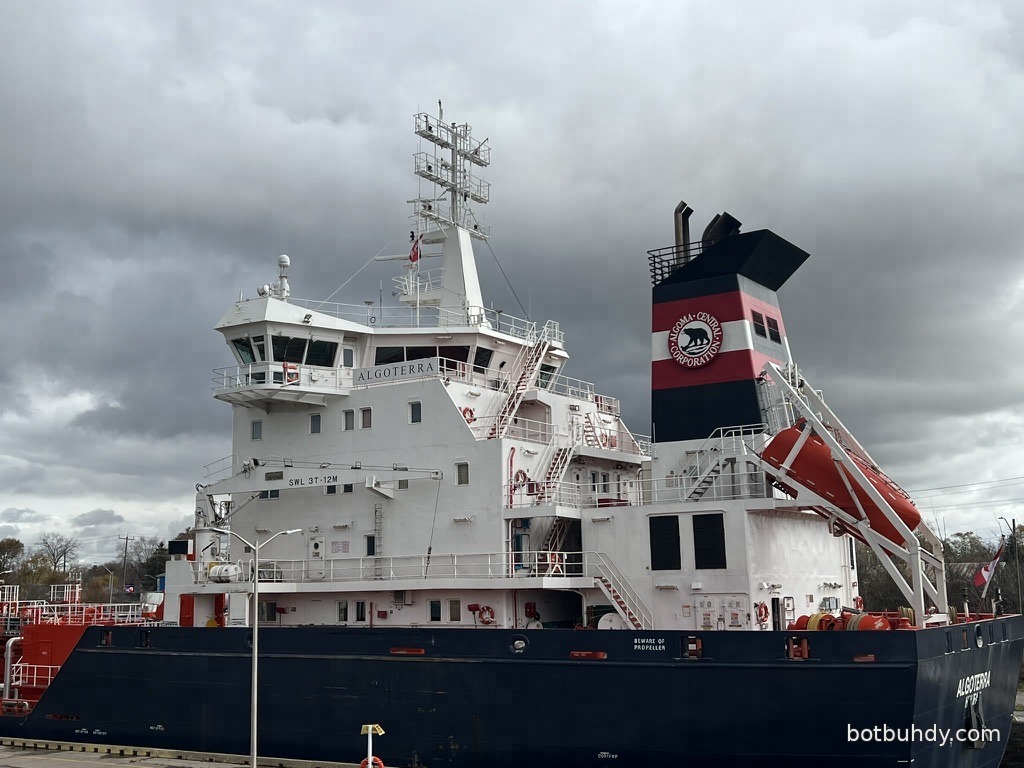
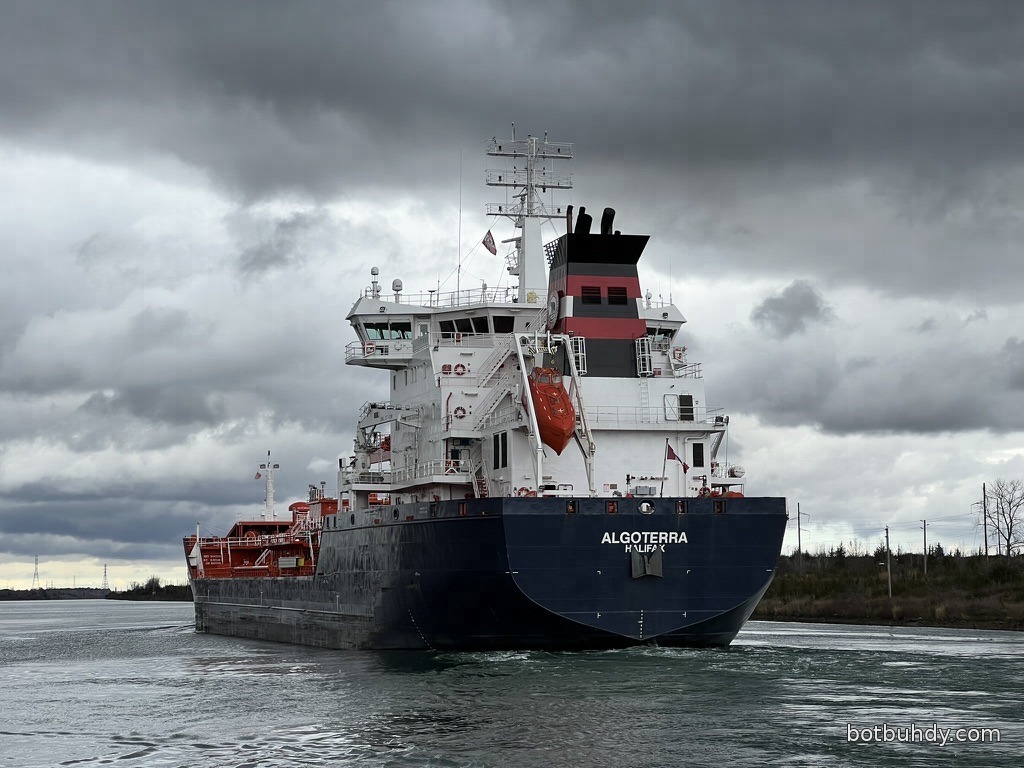
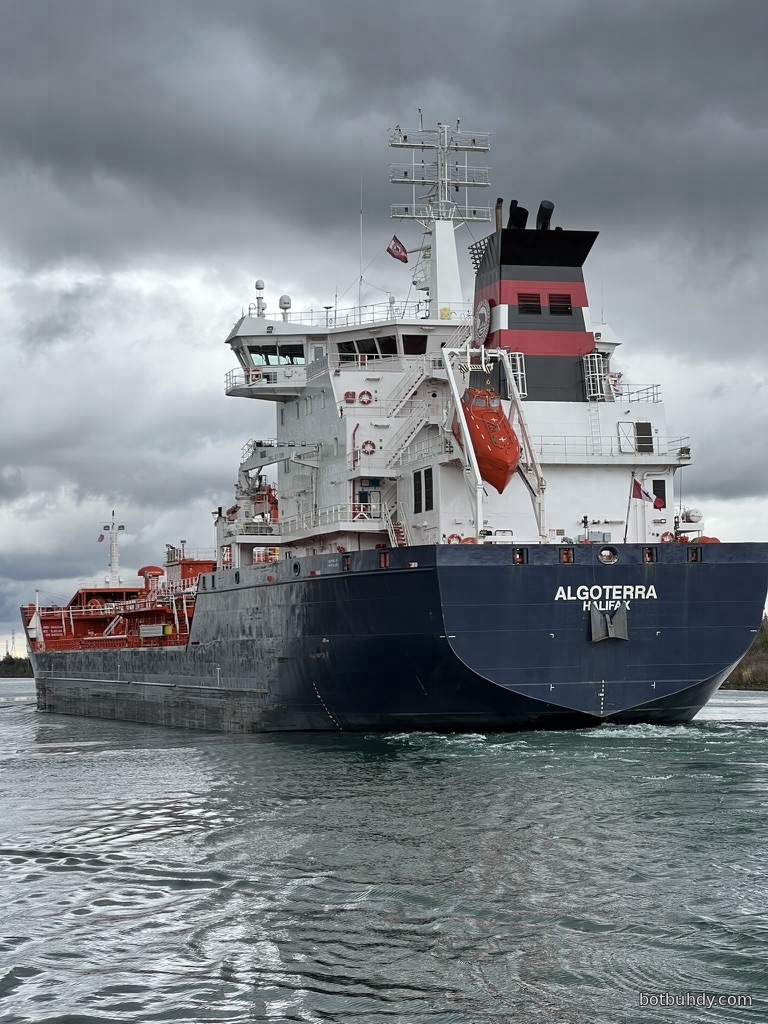
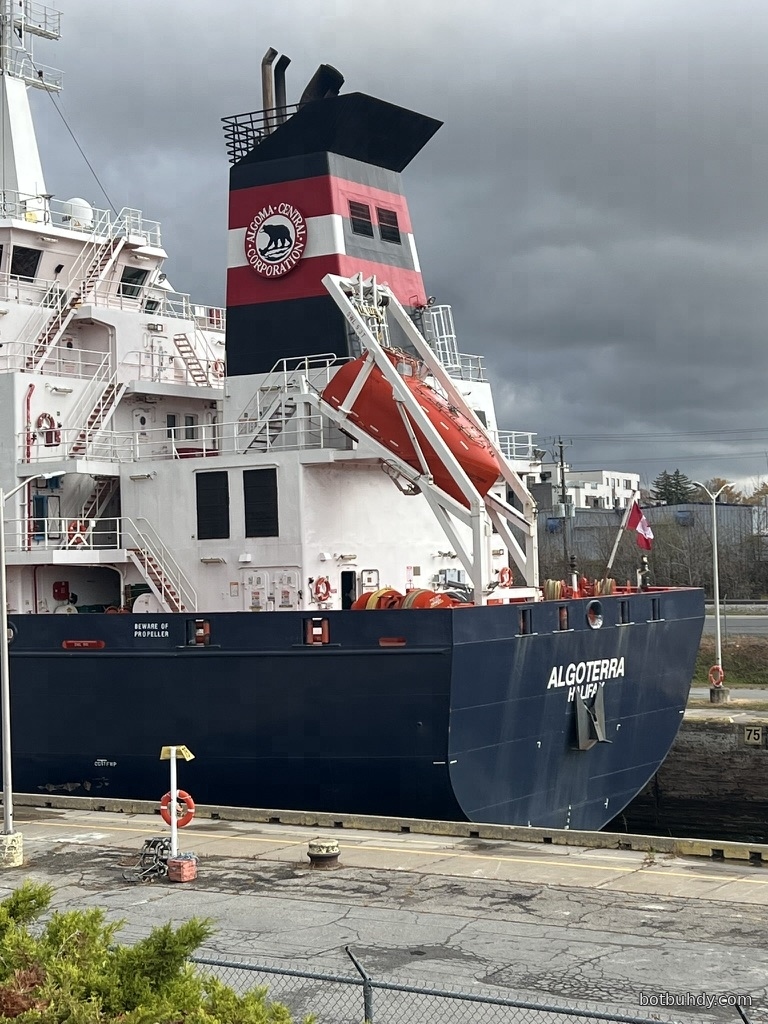
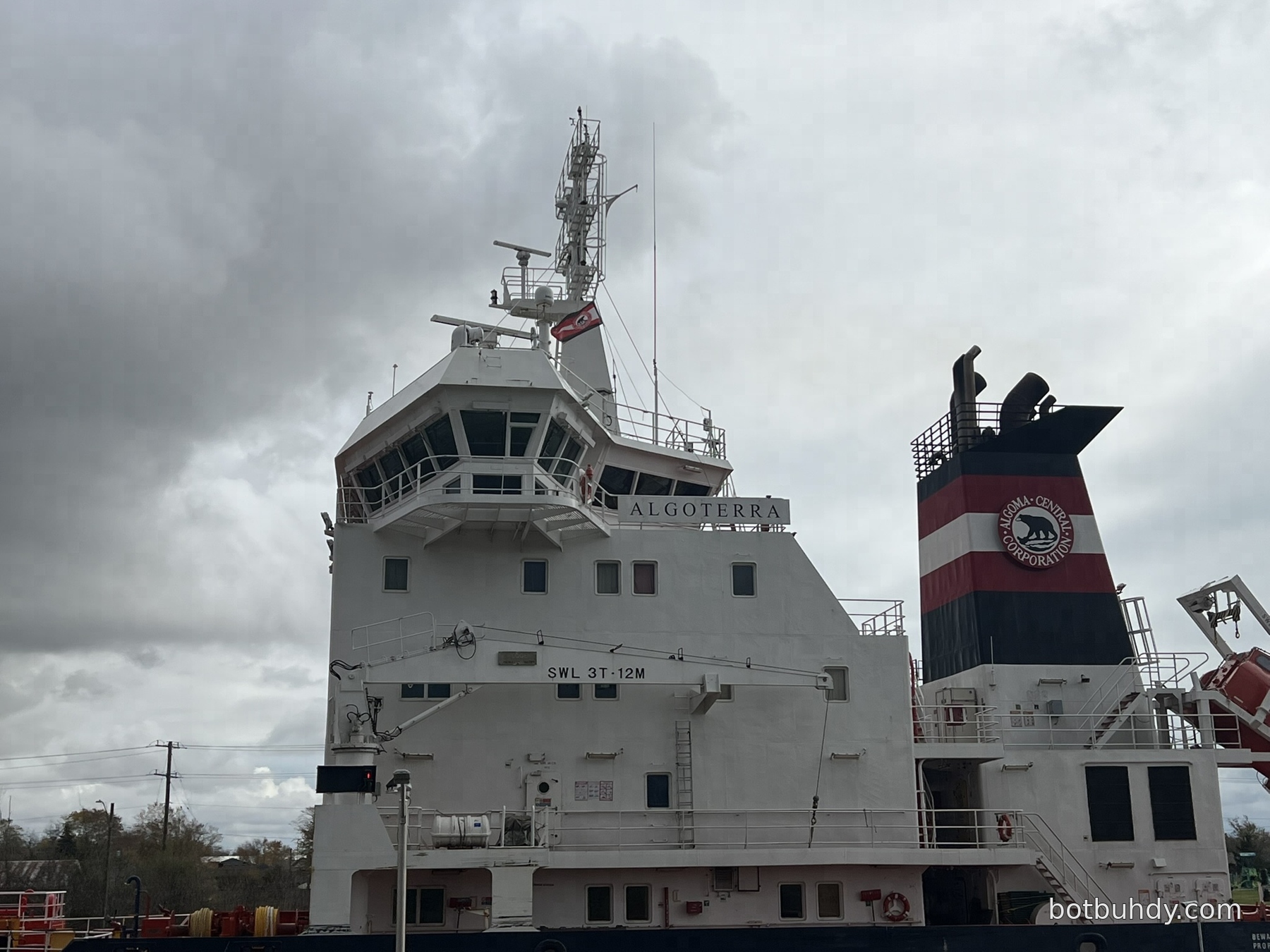
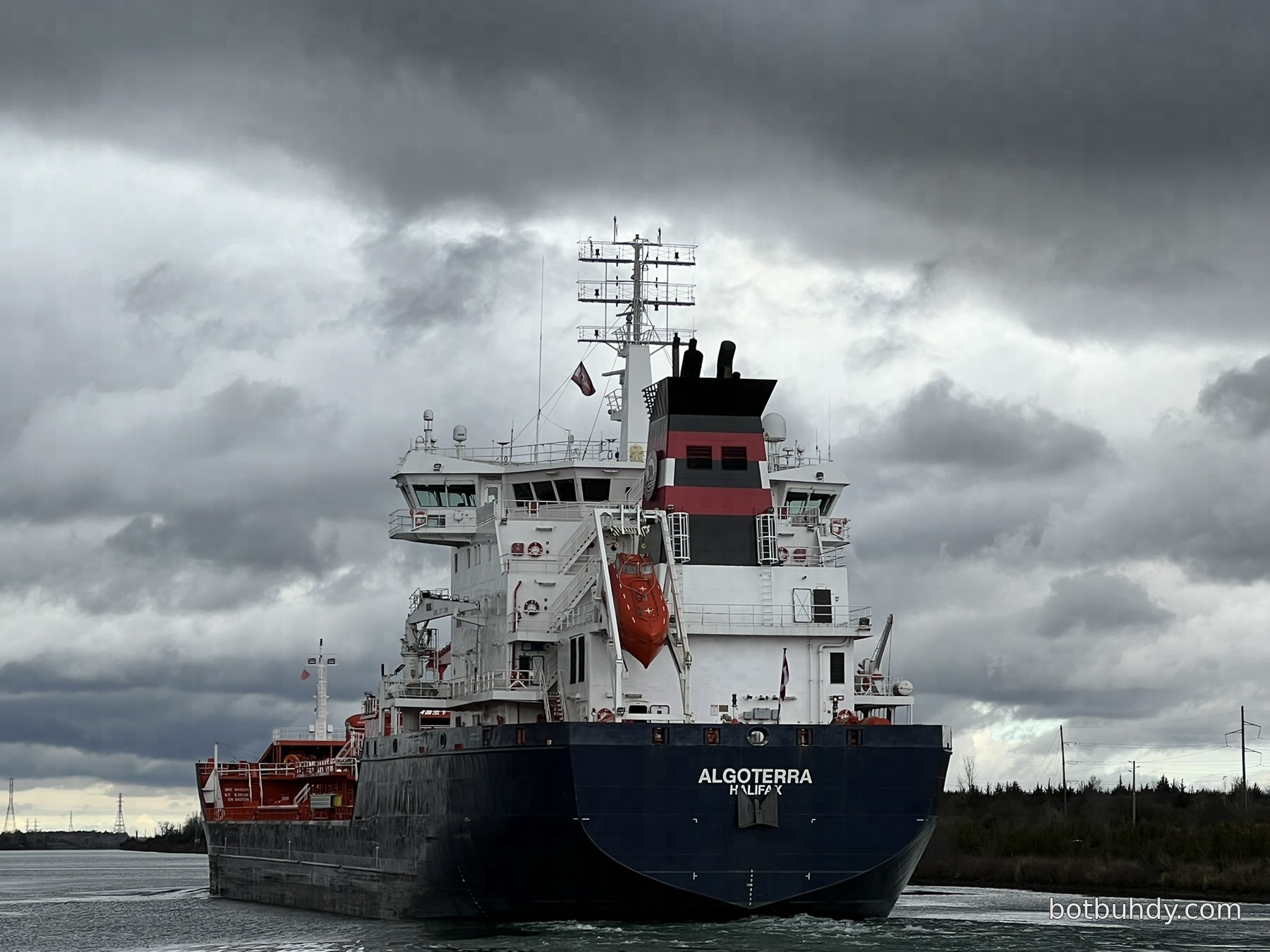
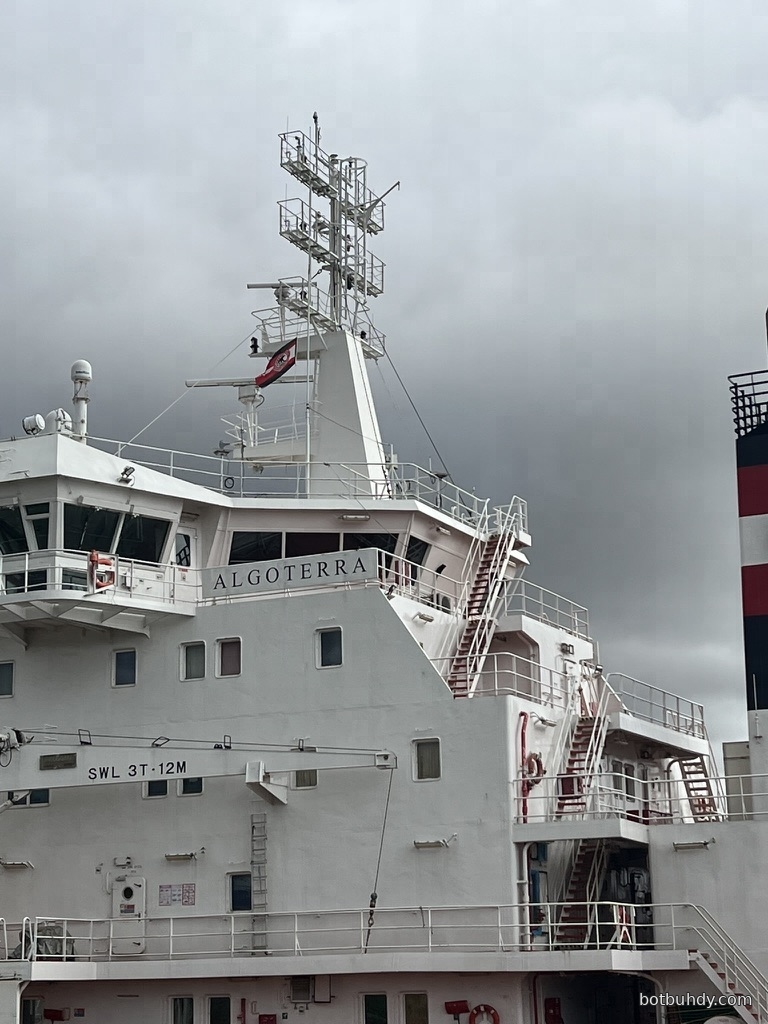
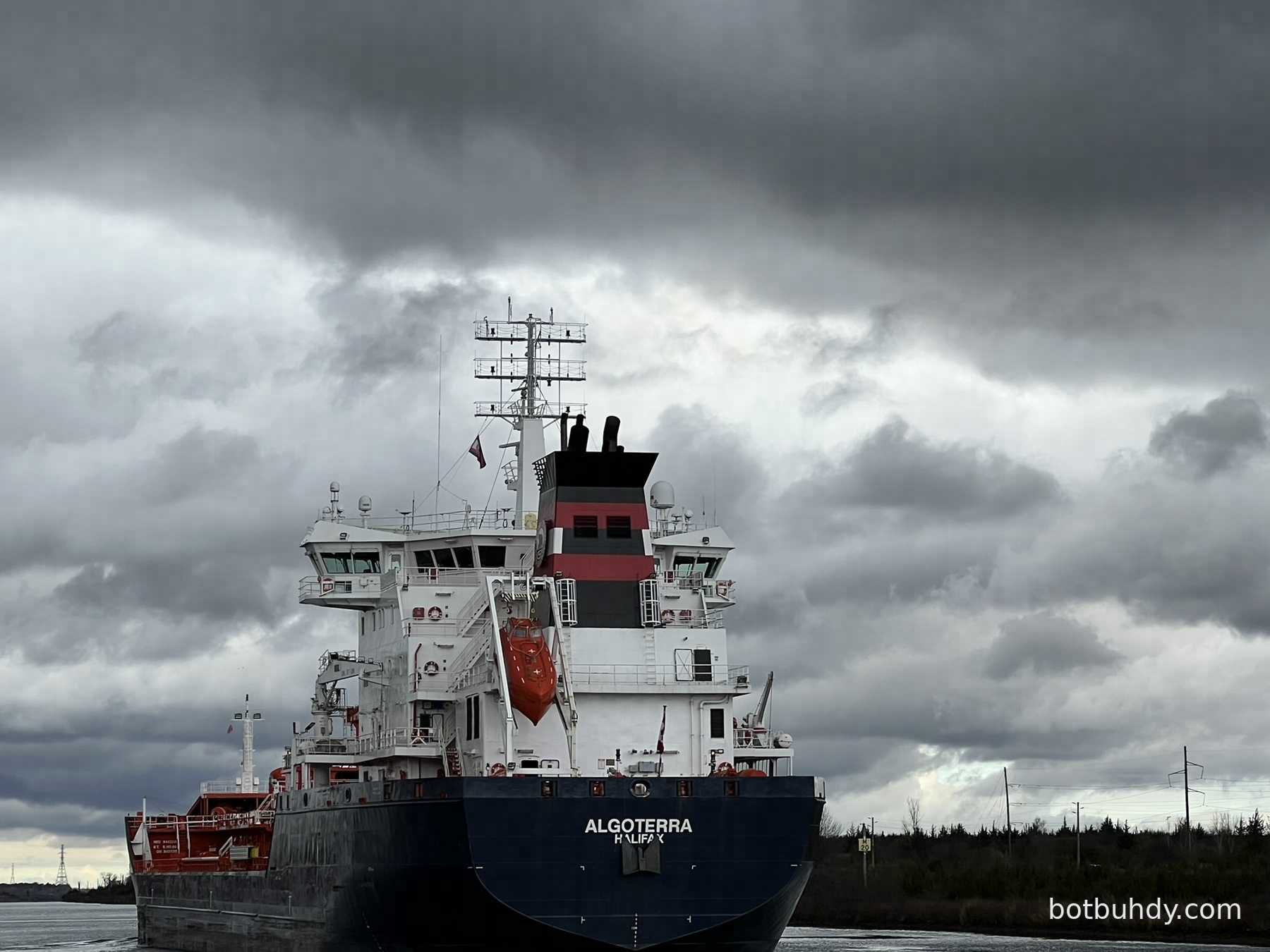
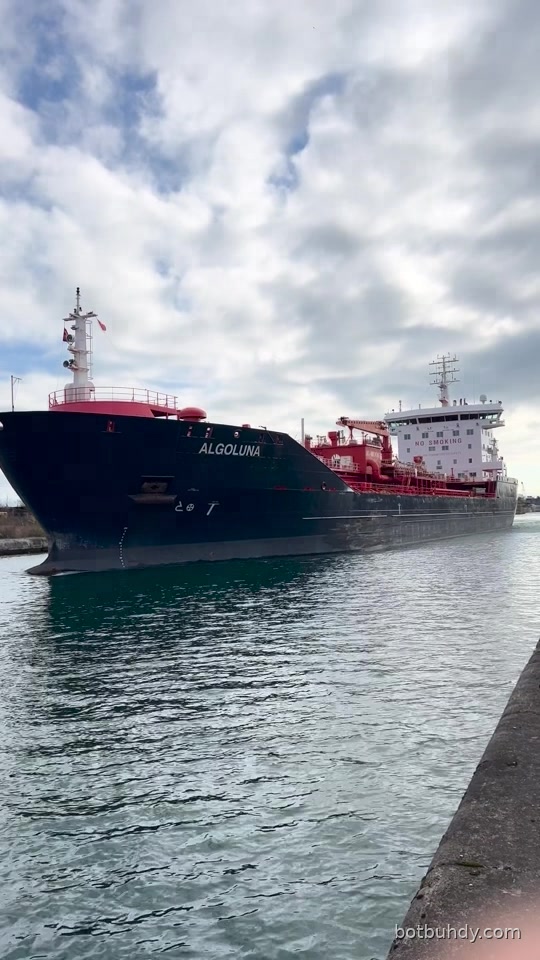
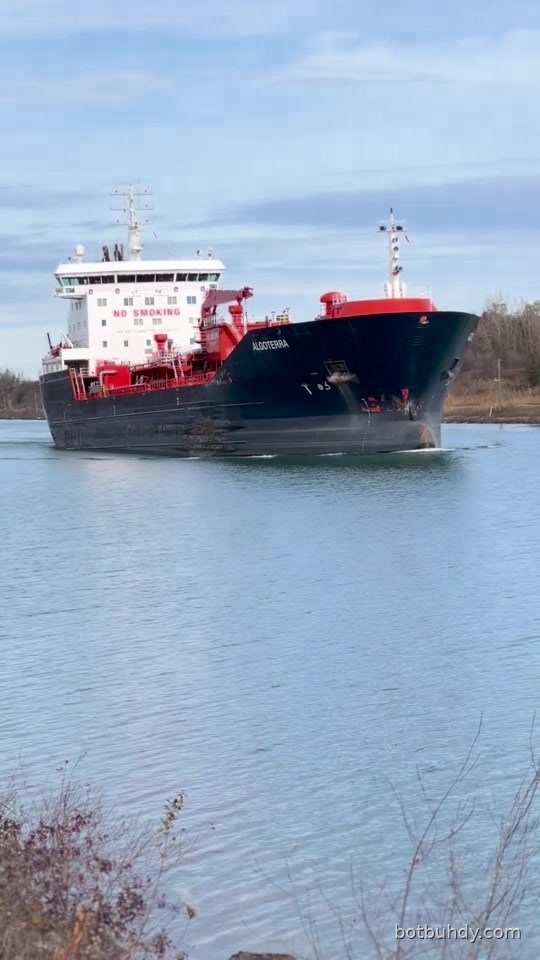
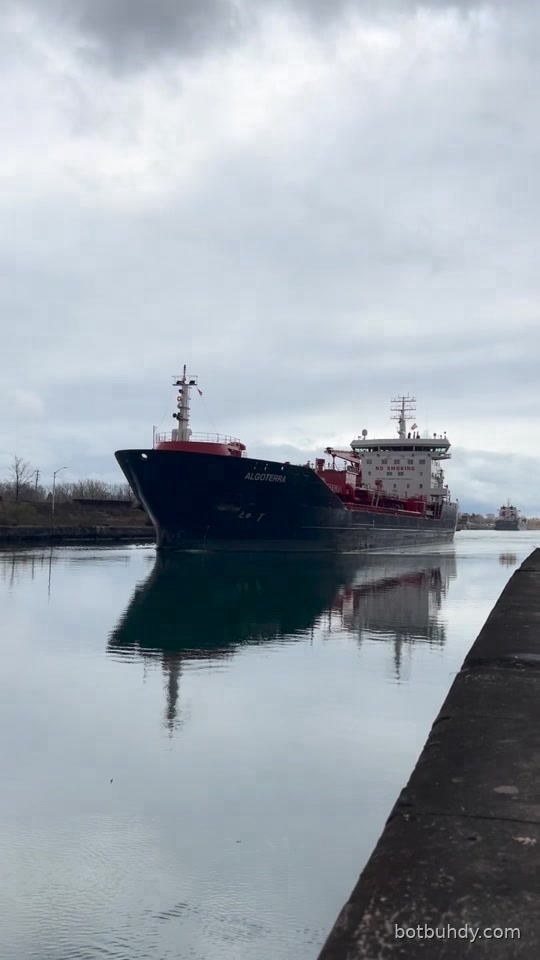
Algoluna & Algoterra: liquid cargo, sister ships

Two Algoma product tankers on the Great Lakes / Seaway. What they carry, what the pipes do, and why liquid cargo is not the same as liquefied gas.

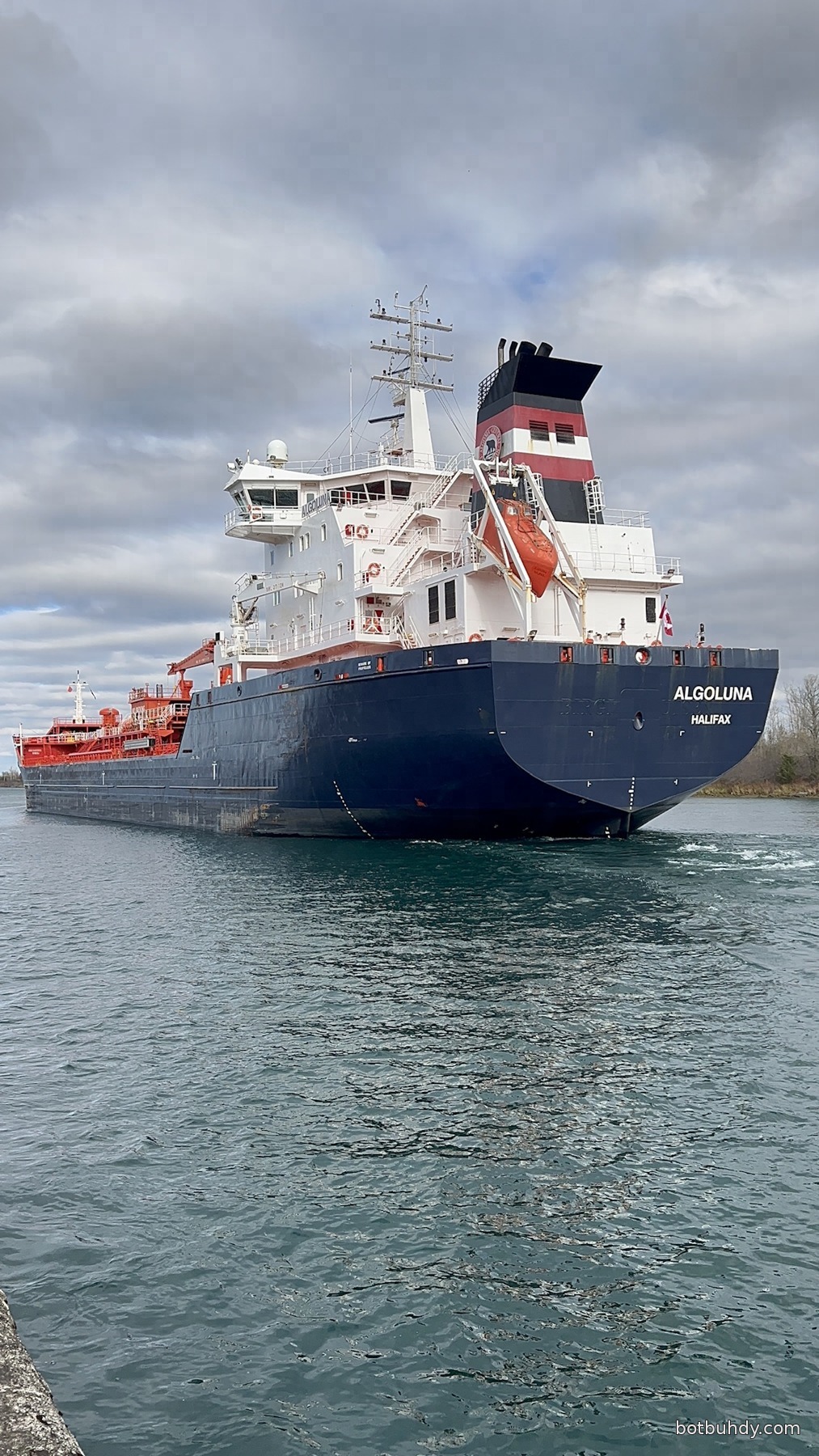
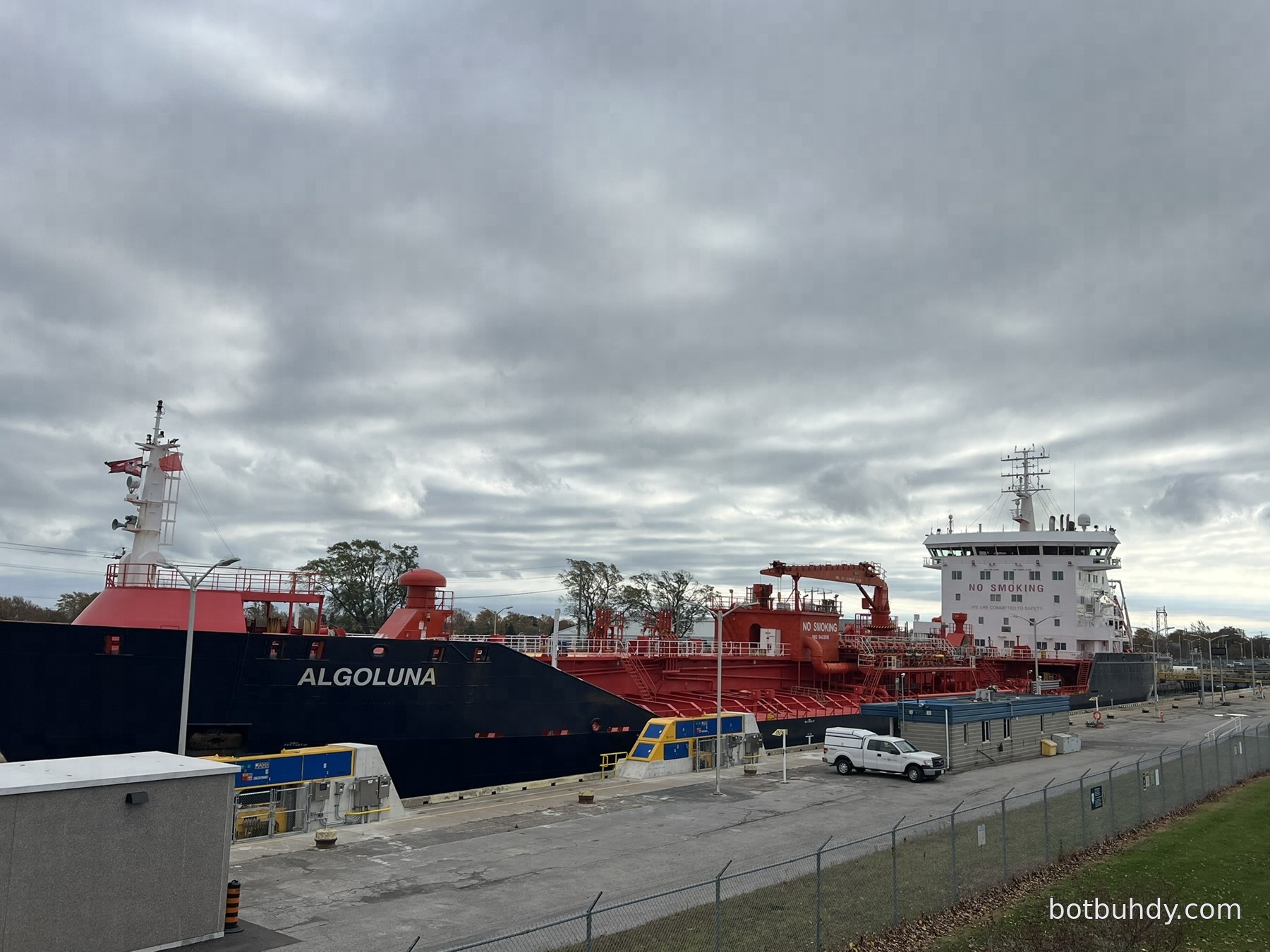
Algoluna passing with the tank deck visible

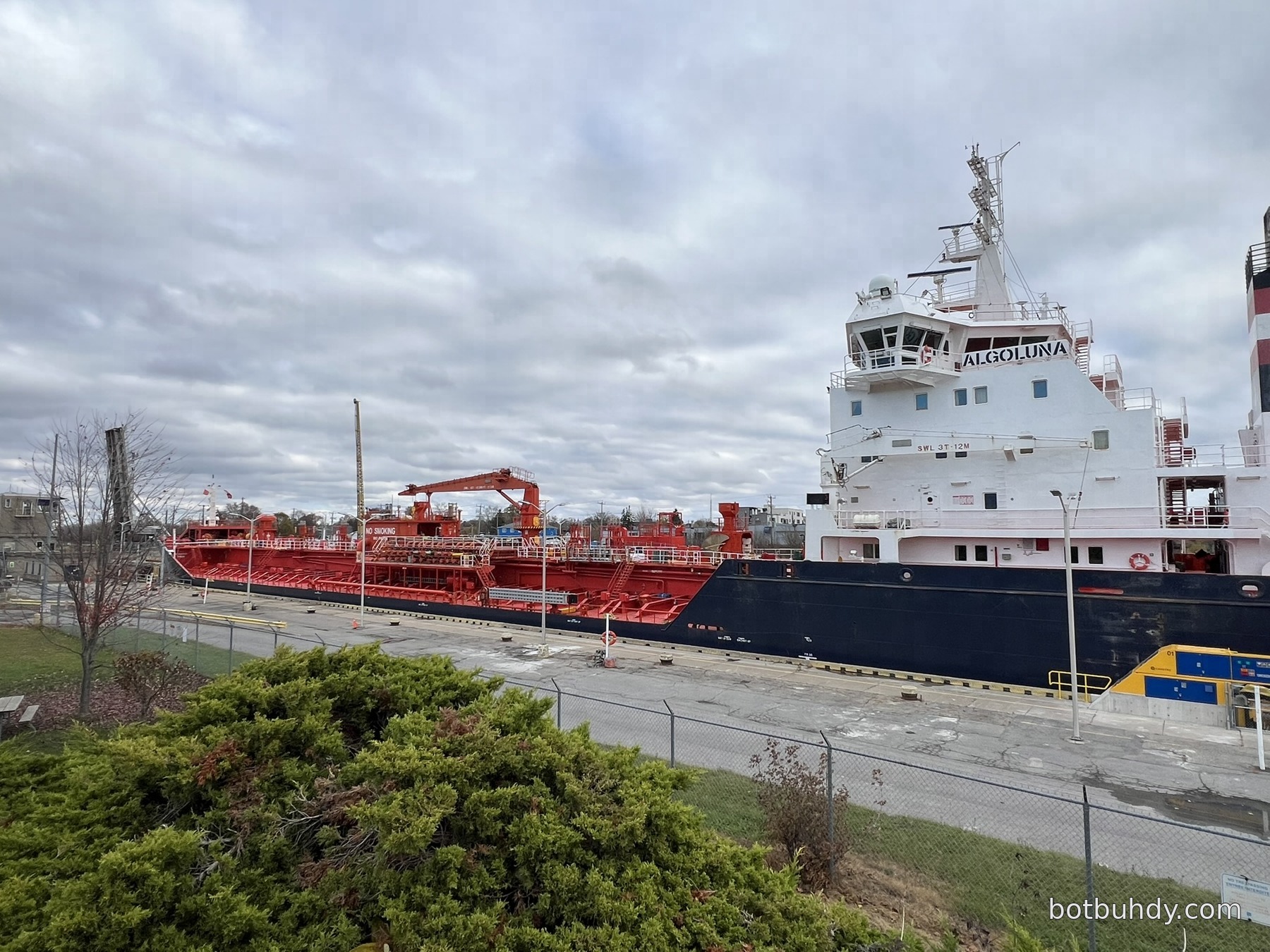
Two look-alikes — and yes, they are sisters

Algoluna and Algoterra are product tankers, not gas carriers. Both are managed by Algoma Tankers Limited, part of Algoma Central Corporation. Their job is moving liquid products in enclosed tanks, rather than loose grain in openable holds.

Both were built in 2010 by Jiangnan Shipyard. Their matching proportions are no coincidence: Algoma identified the former Birgit Knutsen as a sister to Algoterra when acquiring her in 2022; its 2023 annual report identifies that ship as Algoluna.

Liquid does not mean liquefied gas. The operator lists them as product/oil tankers with chemical-tanker classifications. Algoma lists fleet cargoes including gasoline, diesel, kerosene, jet fuel, biofuels and semi-refined products moving between refineries. The exact liquid aboard either ship in these images is not publicly confirmed here.

The ships side by side

Algoluna

IMO
9483516
Built
2010 · joined domestic operations in 2023
Length / beam
144.18 m / 23.00 m
Type
Double-hull Type II chemical / product oil tanker
Tank capacity
19,162.3 m³ at 98% (sheet total)
Summer cargo DWT
16,512 t (specification sheet)

Official site · Algoma · AIS tracking

Algoterra

IMO
9442249
Built
2010
Length / beam
144.18 m / 23.00 m
Type
Double-hull product oil tanker
Tank capacity
19,161.7 m³ at 98% (sheet total)
Summer cargo DWT
16,512 t (specification sheet)

Official site · Algoma · AIS tracking

Tank totals above include the slop and drain tanks listed in each sheet, not just saleable-cargo tanks. Algoluna’s fleet summary gives 16,536 t deadweight; its detailed sheet gives 16,512 t summer cargo deadweight. Figures are labelled rather than silently merged. Both sheets specify 12.5-knot service speed.

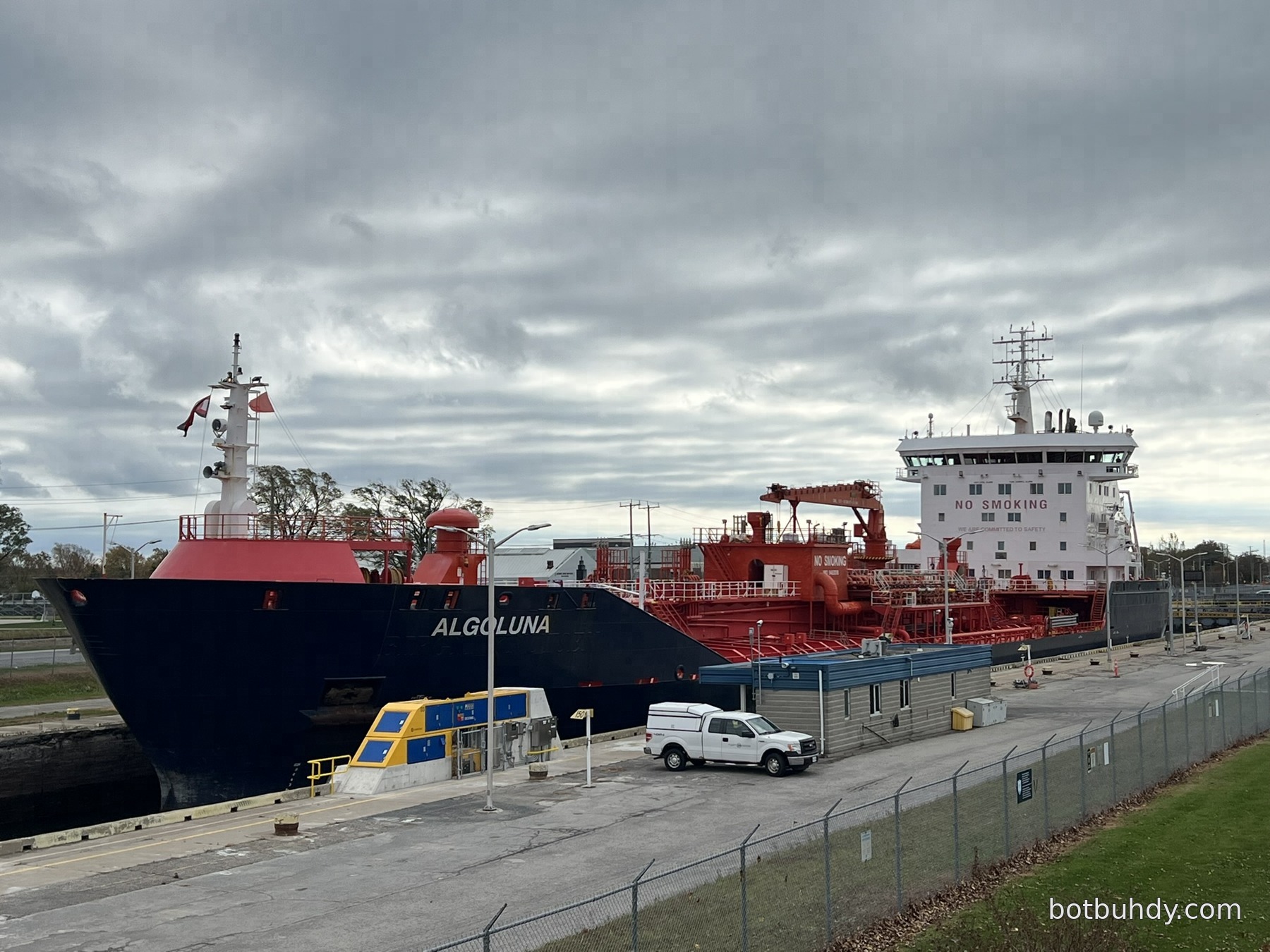
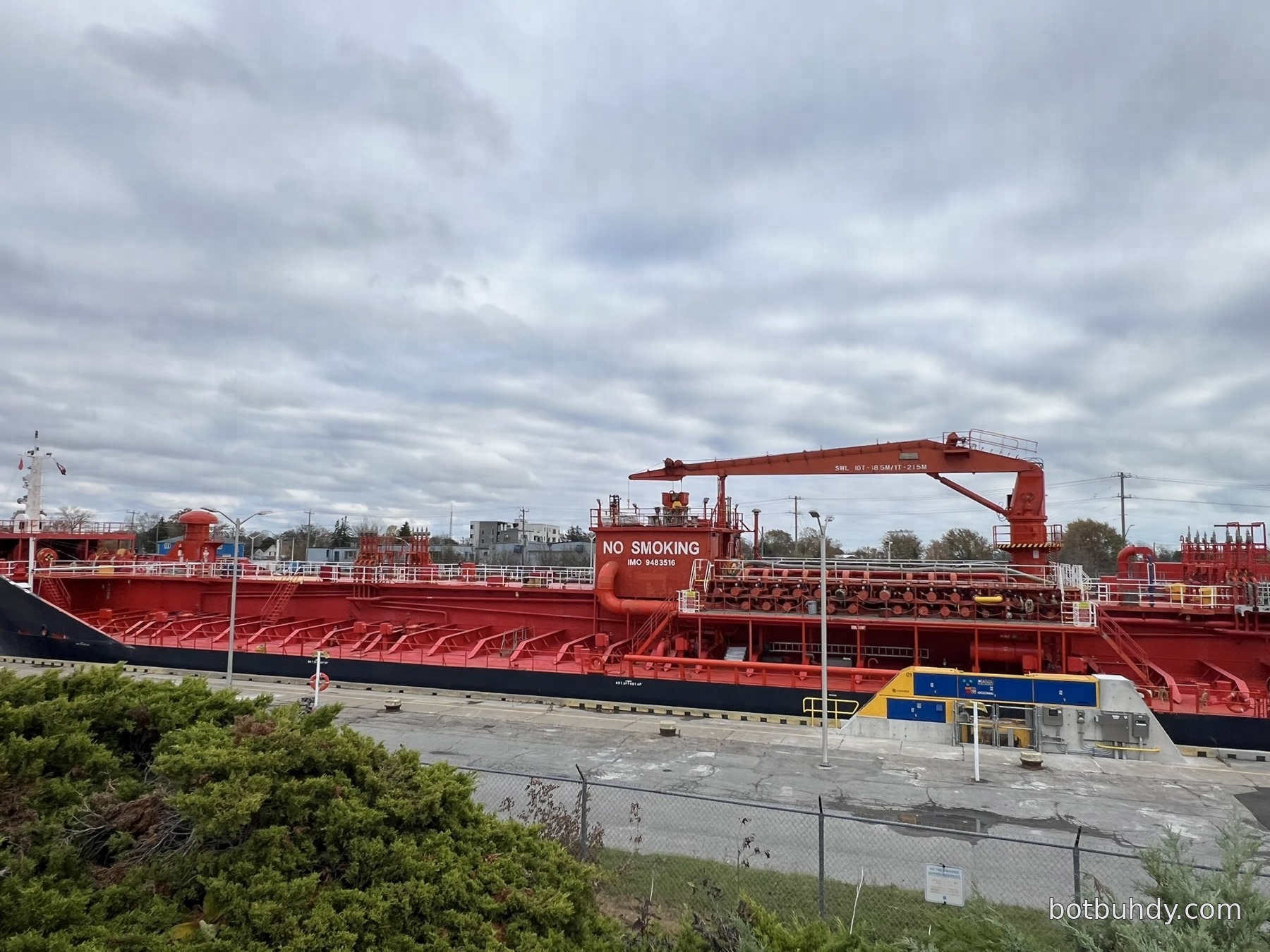
Pipes above, separate tanks below

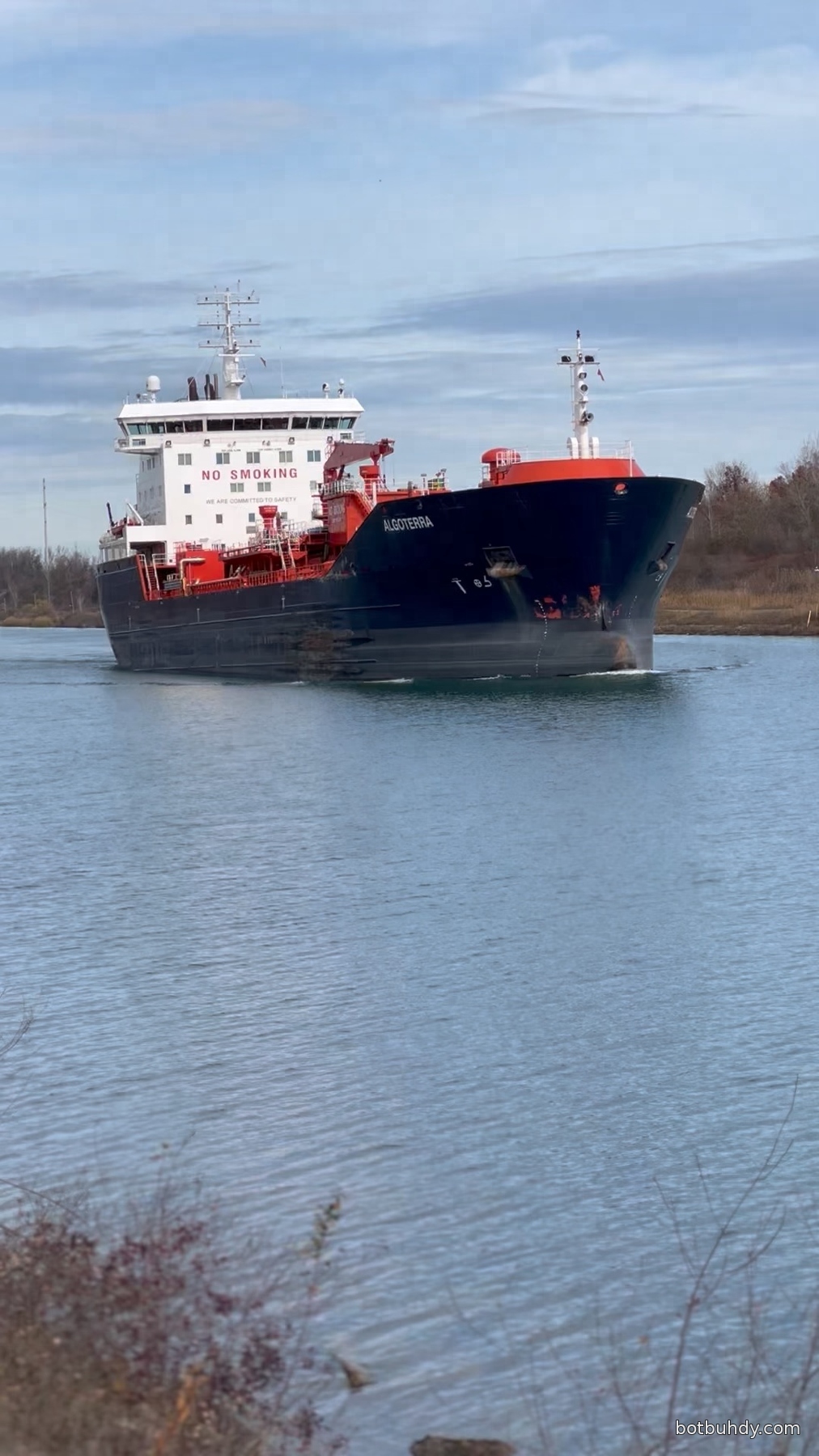
Instead of the big hatch covers and conveyor boom of a dry-bulk self-unloader, look for a low cargo deck threaded with pipes. The white accommodation and bridge sit aft, leaving most of the ship’s length for the tank section.

Twelve main cargo tanks

Each specification sheet lists tank positions 1–6, port and starboard — twelve main cargo tanks — plus slop and drain tanks. Separate tanks and controlled piping let compatible grades be kept apart, subject to the ship’s approved cargo plan. The sheets list epoxy tank coatings and twelve deepwell Framo cargo pumps rated at 300 m³/h each.

Shore connectionLoading arms or hoses meet the ship’s cargo manifold.
Pipes & valvesDirect the liquid to its assigned tank.
Enclosed tanksKeep cargo contained and approved grades separated.
Deepwell pumpsMove liquid out through the manifold when discharging.

The pump rating is per pump, not a promise of a combined 3,600 m³/h shore-transfer rate. Terminal limits, piping, cargo properties and the loading plan all matter.

Why a double hull?

Both ships have a double-hull design: the cargo boundary is separated from the outside shell by protective spaces. It reduces the chance of a single outer-shell breach reaching cargo, but is not a guarantee against a spill. Their classification entries include inerting and vapour-control notation; inert gas limits oxygen in the tank atmosphere, while controlled vapour handling helps manage transfer operations.

Tank coatings, dedicated pumps, monitored valves and careful cargo planning are part of handling liquid products safely. None of that identifies the contents from shore: a tanker’s silhouette cannot tell us whether a particular tank contains diesel, gasoline, another approved product, or no cargo.

Two sisters in motion

Three full-length videos with the original sound. Each one plays only when you choose it.

Short silent views

Short, silent web loops. They load near the screen and pause out of view. Use the controls to pause or expand; reduced-motion settings are respected.

Algoluna: bow and tank deck passing the camera.
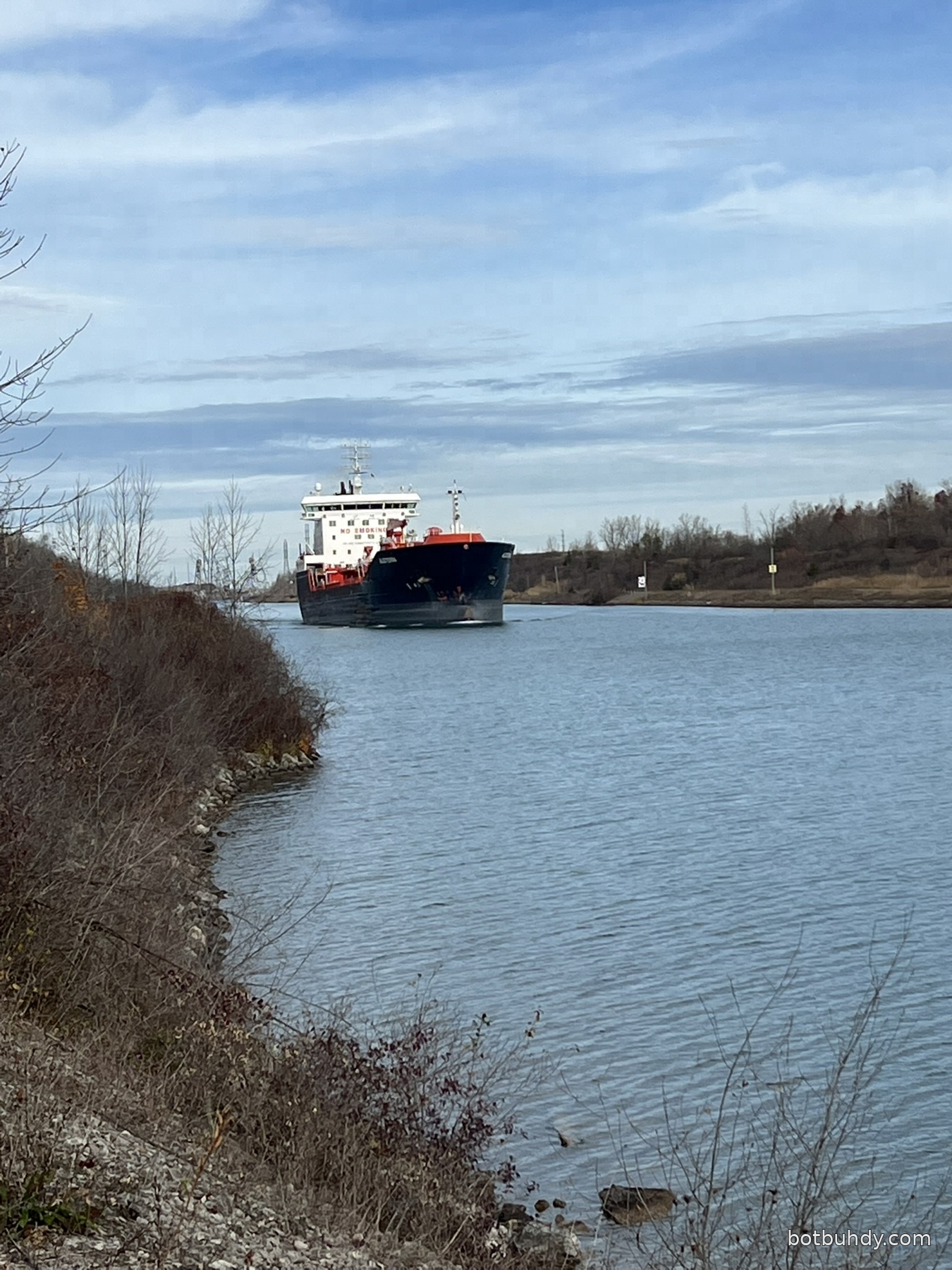
Algoterra: an approaching bow view.

Sources

  1. Algoma — Algoluna — fleet identification and product-tanker role.
  2. Algoma — Algoterra — fleet identification and product-tanker role.
  3. Algoma — Algoluna specifications (PDF) — IMO, hull type, tank layout, capacities and pumps.
  4. Algoma — Algoterra specifications (PDF) — IMO, hull type, tank layout, capacities and pumps.
  5. Algoma — December 2022 tanker acquisition release (PDF) — Birgit Knutsen identified as Algoterra’s sister.
  6. Algoma — 2023 annual report (PDF) — Algoluna identified as the former Birgit Knutsen.
  7. Algoma — August 2026 company background presentation (PDF) — product-tanker fleet cargoes.

Public specifications checked November 6, 2026. Capacities depend on draft and loading conditions. Not affiliated with the operators.

Original location sound · use the player controls for volume and full screen.